Fire Safety 101
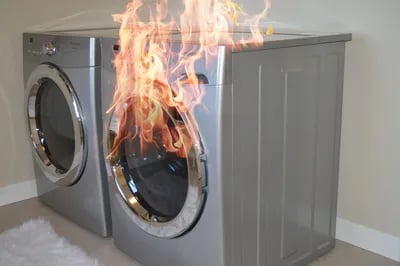
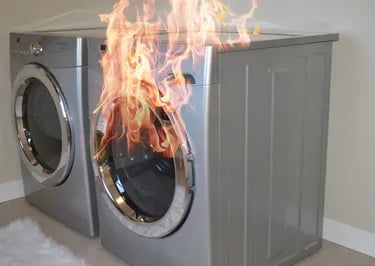
Dryer vent fires remain a significant yet often underestimated hazard in homes across the United States. Although Rhode Island does not publish its own annual statistics specific to dryer related fires, national data provides a clear understanding of the risks. According to the U.S. Fire Administration, approximately 2,900 home dryer fires occur each year in the United States, resulting in millions of dollars in property damage, numerous injuries, and, in some cases, loss of life. The most common cause of these fires is the failure to clean the dryer vent system, which accounts for roughly one‑third of all incidents. For a state like Rhode Island, where many homes are older and densely situated, the importance of proper dryer vent maintenance is especially pronounced.
Dryer vent fires typically begin with a simple but dangerous process. As a dryer operates, it removes moisture from clothing by heating it and expelling warm, humid air through the venting system. During this process, lint accumulates in the lint trap, the vent hose, and the ductwork. When this lint is not removed regularly, it begins to restrict airflow. Restricted airflow forces the dryer to work harder, causing temperatures within the appliance and vent system to rise. Because lint is highly flammable, even a small spark or excessive heat can ignite it. This combination of heat buildup and combustible material is the primary reason dryer vent fires occur.
Several additional factors can contribute to the risk. Older homes may still use outdated plastic or foil vent hoses, which can sag, melt, or ignite under high heat. Exterior vent hoods can also become blocked by debris, snow, or even bird nests, preventing humid air from escaping. When airflow is obstructed at any point in the system, the dryer must work harder, increasing both the temperature and the likelihood of ignition. Even something as simple as failing to clean the lint trap between loads can contribute to reduced airflow and elevated fire risk.
While Rhode Island does not release specific figures on dryer related fires, the state follows national fire safety guidelines established by the National Fire Protection Association and the U.S. Fire Administration. These organizations consistently emphasize the importance of maintaining dryer vent systems as a key component of household fire prevention. Given Rhode Island’s mix of historic homes, multi‑family residences, and coastal humidity, the conditions are ideal for lint accumulation and moisture related issues if vents are not properly maintained.
The importance of regular dryer vent cleaning extends far beyond fire prevention. A clogged vent forces the dryer to run longer in order to dry the same amount of clothing, which increases energy consumption and raises monthly utility costs. Over time, the added strain on the appliance can lead to premature wear, mechanical failures, and costly repairs. A clean vent system allows the dryer to operate efficiently, reducing drying times and extending the life of the appliance.
Blocked vents can also create moisture problems inside the home. When humid air cannot escape through the vent, it may condense inside the ductwork, forming pools of water that can leak into walls or ceilings. Excess moisture can also contribute to mold growth, which poses both health risks and structural concerns. Homeowners may notice musty odors, dampness around the laundry area, or visible water near the vent connection. These are clear signs that the ventilation system is not functioning properly.
Maintaining a clean dryer vent is also an important part of complying with fire safety standards. Rhode Island homeowners, landlords, and property managers are responsible for ensuring that appliances and ventilation systems are properly maintained. Regular dryer vent cleaning supports these safety requirements and reduces the risk of liability in the event of a fire or property damage.