Cleaning & Repair
The cleaning process typically begins with a thorough inspection of the venting system; examining the dryer, the transition hose, the vent duct, and the exterior termination point to identify any blockage or damages. Inspection is important because many issues originate from vent systems that are damaged, or constructed from outdated or unsafe materials. Identifying these issues can help to determine the most effective cleaning method and whether any repairs or modifications are necessary.
Once the inspection is complete the cleaning can begin. Specialized tools, such as flexible rotary brushes, high powered blowers, etc., are used to dislodge and remove lint and debris from the interior walls of the vent. These tools are designed to reach deep into the ductwork, ensuring that even areas far from the dryer are thoroughly cleaned. The goal is to restore proper airflow, which allows the dryer to operate efficiently and reduces the risk of overheating.
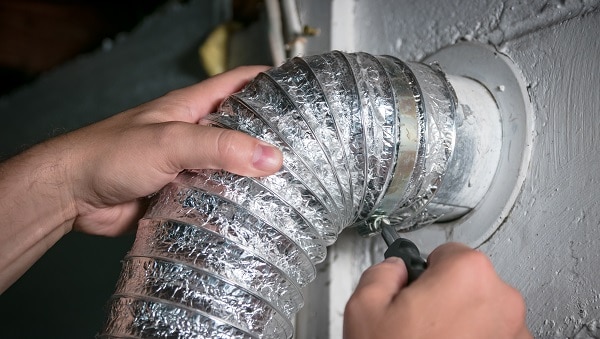
In addition to cleaning the vent itself, attention is given to the transition hose that connects the dryer to the wall. This hose is often a source of problems, especially if it is made from flexible plastic or foil, which are no longer recommended due to their susceptibility to crushing and their tendency to trap lint. If the hose is damaged, kinked, or made from an unsafe material, it is typically recommended to replace it with a rigid or semi‑rigid metal duct. This type of ducting is far more durable and promotes better airflow.
Repair work may also be necessary if the inspection reveals structural issues within the venting system. Common problems include disconnected joints and crushed sections of ductwork. These issues not only reduce efficiency but can also create moisture problems within the home. A proper repair involves correcting these deficiencies by securing loose connections and replacing damaged sections. The exterior termination point must always be kept clear of obstructions as well. Even small amounts of debris or nesting material can impede airflow.
Once the cleaning and repairs are complete, the dryer is reconnected and tests are done to confirm that it is functioning correctly. This final step often includes measuring airflow at the exterior vent to ensure that the system is operating at optimal levels. Homeowners typically notice immediate improvements, such as shorter drying times, reduced heat buildup around the appliance, and smoother overall operation. These benefits not only enhance convenience but also contribute to lower energy costs and a longer lifespan for the dryer.
*While some homeowners attempt to clean their vents themselves, professional service offers a level of thoroughness and expertise that is difficult to achieve with consumer‑grade tools. Professionals are trained to identify hidden issues, use specialized equipment, and ensure that the entire system meets current safety standards. By investing in routine maintenance, homeowners can significantly reduce the risk of fire, improve appliance performance, and protect their property from preventable damage.